You reach for your phone during a late midnight scroll through a clothing site. The total is $240, but a small button offers four payments of $60. This choice shows how buy now pay later services affect consumer spending by turning a one-time hurdle into a digestible, recurring obligation. You aren't just buying a product anymore; you are committing your future income to a merchant before you've even earned it.
Why buy now pay later services affect consumer spending
You must look at the math before clicking that checkout button again. The Consumer Financial Protection Bureau, a federal agency based in Washington, found that these split payment loans often carry fewer protections than standard credit cards. 1 The convenience is often a mask for deeper risk. Many of these providers avoid the strict disclosure requirements that traditional banks must follow, leaving you in the dark about the true cost of your curiosity.
Why is this specific lending model exploding in popularity across the country right now? Retailers love it because it increases cart sizes. Data suggests that users spend up to 20 percent more when they don't have to pay the full price immediately at the point of sale. 2 Merchant partners often pay these firms a commission between three and eight percent because the psychological friction of the purchase vanishes. You are significantly more likely to upgrade to the premium version of a product when the price difference is presented as only a few dollars more per month.
Managing repayment risks in a digital economy
It's a behavioral trick that works perfectly. By decoupling the joy of the purchase from the pain of payment - you're more likely to ignore the cumulative weight of several small installments. Six payments of thirty dollars. Suddenly, your monthly budget is leaking hundreds of dollars to ghost obligations. You might feel like you're winning, but your bank account is slowly losing the war of attrition.
Recent reports from the Federal Reserve indicate a shift in habits. According to the Federal Reserve Bank of New York, about 14 percent of users in the lowest income bracket have used these loans at least once in the last year - a figure that's nearly double the rate seen in higher income groups. 3 Borrowers are using these tools for necessities, not just luxuries. This phenomenon, often called "loan stacking," creates a major headache for your personal debt management. You might have one loan for a pair of shoes, another for a blender, and a third for a grocery run, creating a tidal wave of withdrawals that hit your account simultaneously.
Convenience vs. Cost: The budget behavior pitfall
The Financial Health Network reported that nearly 30 percent of users say they find it hard to manage multiple payments. Repayment risks grow when you have four or five different schedules to track throughout the month. Keeping track becomes a full-time administrative job. If you lose your place in the calendar, the automated system won't care. It will simply take what it's owed, regardless of whether you have enough left for your electricity bill or your kids' school lunch money.
If you miss a single payment - even by a few hours - the consequences can ripple through your financial life, leading to late fees that range from seven to ten dollars and potentially damaging your credit score if the lender reports the delinquency to the three major bureaus. 4 Small errors can create very big problems later. The lack of centralized reporting creates a visibility gap for other lenders. When you apply for a car loan or a mortgage in 2026, the bank might not see these micro-loans on your credit report, leading them to approve you for more debt than you can actually handle.
Hidden dangers in your checkout cart
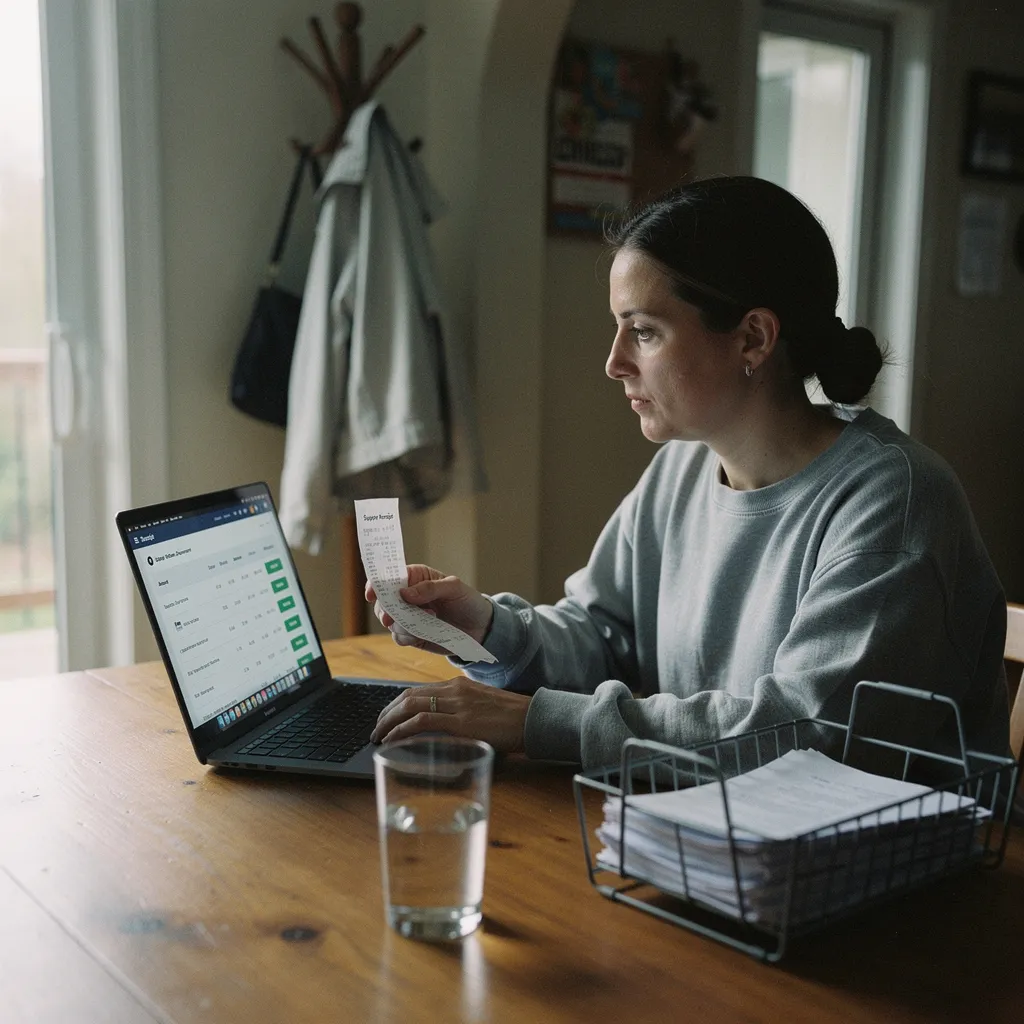
Imagine looking at a bank statement where ten different ten-dollar charges hit your account on a Tuesday morning when your balance is already dangerously low after paying your rent. The automated nature of these withdrawals means they don't wait for your permission or your paycheck. One hundred dollars is gone. You are left scrambling to cover the essentials while the lending firm moves on to its next customer.
Can you afford another payment next week? What happens if your income drops suddenly? Research from the University of California Berkeley shows that high usage of these services is often a precursor to broader financial distress - as borrowers use short-term debt to bridge gaps in their liquid savings. 5 A study by the Bank for International Settlements found that younger consumers are particularly vulnerable to this cycle. They often use these services to maintain a standard of living that their liquid cash flow doesn't support, essentially using a digital version of an old layaway plan but with the dangerous addition of immediate gratification.
One sharp insight on automated debt
While the loans are marketed as interest-free, the hidden costs appear in the form of overdraft fees and late penalties that hit your bank account like a lead weight. Seven percent late fee daily. Does that still sound like a better deal than a credit card? You should realize that if you are using these services to buy groceries or pay utility bills, you are using high-interest debt to cover basic living expenses. That is a massive red flag for any household budget.
These firms aren't your friends. They are data-hungry technology companies that profit from your inability to say no to a "buy" button. The more you use them, the more data they collect on your spending habits, which they then use to target you with even more enticing offers. You are the product as much as the consumer.
A guide to smarter spending
You should verify the terms before you sign. Most lenders don't report positive payments to credit bureaus. This lack of reporting means that while buy now pay later services affect consumer spending by encouraging more debt, they rarely help you build the credit history necessary for larger life goals in 2026. You are taking all the risk without the traditional reward of a rising credit score.
Treat every small installment like a major financial contract. The FDIC, an agency that monitors bank stability, warns that the rapid growth of these non-bank lenders could lead to higher levels of household debt that are hard to track. Your financial safety depends on your awareness. By the time 2026 rolls around, the regulatory environment will likely look very different as federal monitors push for tighter oversight of this "shadow banking" sector. You should expect more rigorous credit checks and perhaps even mandatory reporting to the major credit bureaus soon.
Is the convenience worth the lack of consumer protection? Usually - the answer is a hard no. Standard credit cards offer robust dispute mechanisms for damaged goods that these installment services frequently lack in their fine print. You have to be your own auditor and your own advocate. If a merchant sends you a broken item, you might find yourself stuck in a loop between the seller and the lender, both of whom will point the finger at the other while your bank account continues to be drained.
Returns can be a nightmare. Even if you return the item, you might still have to make payments while the merchant and the lender spend weeks arguing over the refund. Three payments still due. You're basically paying for something you no longer even own. This creates a liquidity crisis in your weekly budget that most people aren't prepared to handle. You need to ask yourself if that new pair of sneakers is worth the risk of a frozen bank account.
The data reveals how buy now pay later services affect consumer spending across diverse demographics. Their research showed that the number of loans originated by these firms grew from 16.8 million in 2019 to 180 million by 2021, a massive increase that signifies a shift in how Americans handle small purchases. This explosive growth shows no signs of slowing down in 2026, making it your responsibility to understand the fine print before you click "complete order."
Pro Tip: Always link your payments to a credit card rather than a debit card to ensure you have an extra layer of fraud protection and to avoid accidental bank overdraft fees. This keeps your cash flow safe from automated errors.
Step-by-Step Checkout Safety
1 Calculate Total Cost - Add up all installments and potential late fees to see the true price of the item before committing.
2 Check Refund Policies - Confirm if the lender pauses payments during a return dispute with the store to avoid paying for ghost goods.
3 Set Calendar Alerts - Manual reminders prevent late fees if an automated payment fails to process due to bank glitches.
The Bottom Line
Modern split-payment tools make overspending easier by hiding the true impact on your weekly budget. You should treat these services as high-interest risks if you can't guarantee your bank balance on every withdrawal date. Understanding how buy now pay later services affect consumer spending is your first step toward financial defense. The convenience is real, but the price you pay in lost financial flexibility is often far higher than the number on the price tag.
References
- Consumer Financial Protection Bureau
- Federal Reserve Bank of New York
- Financial Health Network
- University of California Berkeley
- Federal Deposit Insurance Corporation