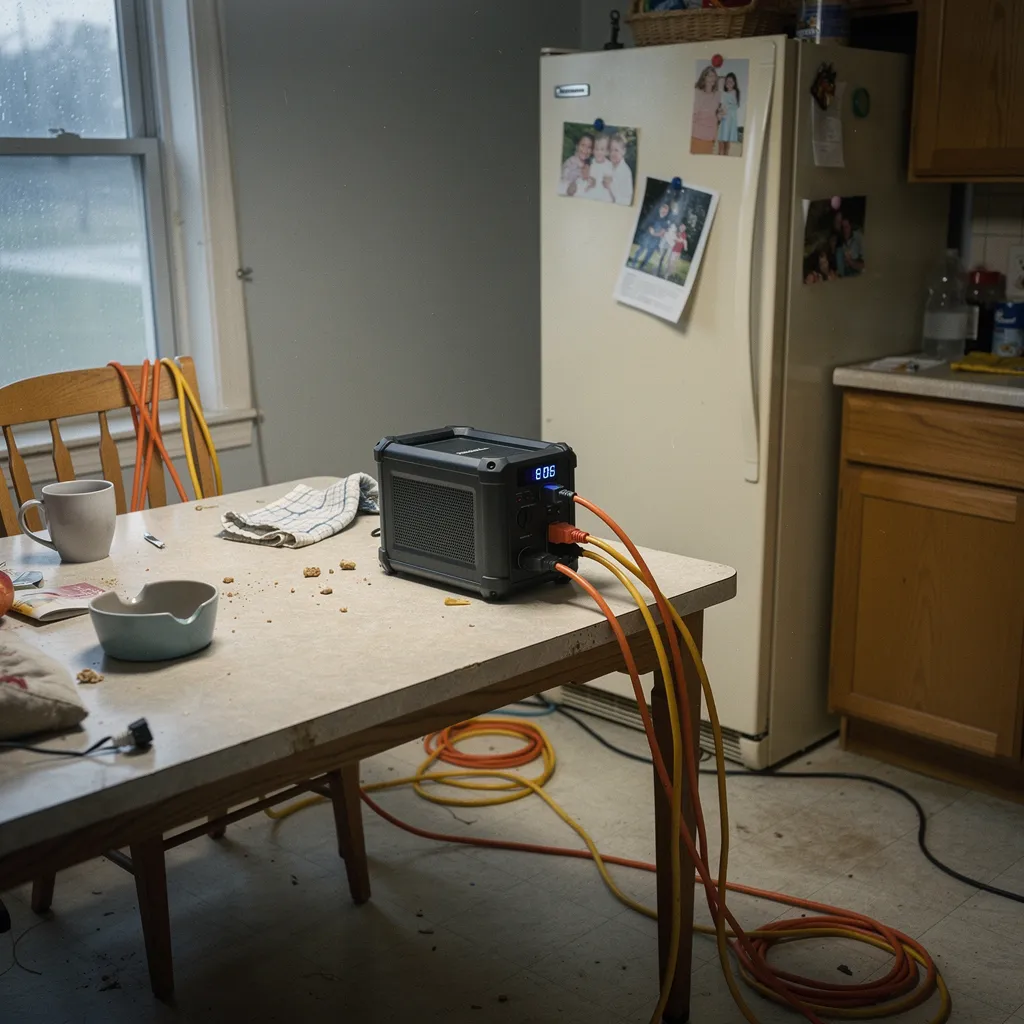
Does your home feel like a cold hospital ward? Why is your living room so dark? Lighting design changes the feel of living spaces because the human brain interprets different light levels as cues for safety or danger. 1 You aren't just choosing a lamp; you're deciding how your brain will process your environment after the sun goes down. Lighting is the invisible architecture of your home.
How Lighting Design Changes the Feel of Living Spaces
You walk into a room where the harsh glare from a single unshaded overhead bulb bounces off your hardwood floors like a searchlight at a high-security prison camp on a rainy night. Your eyes squint as you try to read a book while the corners of the room remain pitch black. Total failure of basic comfort. The Illuminating Engineering Society, which has been the authoritative voice on light since 1906, understands that your mood is directly tied to the photons hitting your retina. This professional organization has used these biological truths to set safety standards for decades. Most people accept this as normal. But you shouldn't have to live in a space that feels like a basement interrogation room. This is a fixable problem.
Designers often talk about the way shadows can help define your furniture and walls. They use multiple light sources to create depth that a single fixture simply can't match. By mixing floor lamps, wall sconces, and task lights, you can turn a flat and boring living room into a space that feels larger than the actual square footage recorded on your deed. Think of it as a visual expansion of your property. You're effectively reclaiming the dead space in your corners. Light draws the eye, and if the eye can't see a corner, the room ends where the light stops.
The High Cost of Bad Bulb Selection
Most people grab the cheapest four-pack of bulbs at the local hardware store without checking the Kelvin rating. A bulb with a 5000K rating produces a harsh - sterile light that makes skin look grey, while a 2700K bulb - the standard for warmth - creates the soft glow that you see in high-end hotels where suites cost $800 a night. You're essentially paying to make your own home look like an industrial warehouse. It's a waste of potential. You can't put a price on how you feel when you finally sit down after a ten-hour workday.
The Department of Energy, a federal agency based in Washington D.C., notes that making the switch to energy-efficient lighting is one of the fastest ways to cut your energy bills. 3 If you're still using old incandescent bulbs, you're literally burning money to create heat rather than light. Modern LEDs can save you about $225 in energy costs per year on average. That's money that belongs in your pocket, not in the utility company's coffers. You're getting better light and keeping more cash. It's a rare win-win for any homeowner.
Stop Relying on the Big Center Light
Do you really think that one dusty chandelier in the middle of the ceiling is enough? It's probably the worst way to light a room where you actually spend time. Research from the Lighting Research Center shows that layered lighting reduces eye strain and helps you focus on specific tasks like cooking or reading. 2 This research facility, which is part of Rensselaer Polytechnic Institute, has proven that "the big light" is a relic of 1950s construction. It creates flat, uninteresting rooms. You deserve more nuance than that.
Put your main overhead lights on a dimmer switch immediately to reclaim control of your evening mood. Being able to dial down the brightness by 50 percent allows your body to start producing melatonin - the hormone that tells your brain it's time to sleep - even while you watch TV. This is a $20 fix that changes your entire life. Dimming is the easiest way to add drama to your dining room without hiring a contractor. You can shift from "cleaning the house" mode to "dinner party" mode with a single slide of your thumb. It's about flexibility and control.
Understanding the Perception of Room Size
When you illuminate the corners of a room rather than just the center, the eye travels further and interprets the space as significantly bigger, a trick that staging experts use to flip homes for a premium price. Small rooms suddenly breathe. Why would you live in a cramped box when a floor lamp fixes the problem? Lighting design changes the feel of living spaces by pushing the perceived boundaries of your walls outward. You can make a 12-by-12 room feel like a ballroom if you wash the walls with light correctly.
I've seen homeowners spend $20,000 on new furniture only to have it look cheap because they didn't invest $200 in better lighting. The shadows cast by a single central light source are often vertical and harsh. They create "raccoon eyes" on your guests and make your expensive sofa look like a lumpy mess. But when you add light from the sides - using table lamps or wall sconces - you create horizontal light that fills in those shadows. Your room looks professional. Your friends look younger. You feel more relaxed.
Three Ways to Layer Your Home
You need to think about ambient, task - and accent lighting as three separate layers that work in harmony. Ambient light fills the room, task light helps you work, and accent light shows off your favorite art. Missing even one layer makes the room feel incomplete. It's like wearing a suit but forgetting your shoes. You can tell something is wrong even if you can't quite name it. Most American homes are stuck on layer one. You can be better than that.
Task lighting - the bright stuff over your kitchen counter or desk - should be about three times as bright as the ambient light in the rest of the house, which keeps you productive without making the entire building look like a surgery suite during a midnight emergency. You need this contrast to keep your eyes from getting tired. Lighting design changes the feel of living spaces by creating "islands" of light. These islands tell your brain exactly where you should be working and where you should be resting. Your home becomes a tool for your lifestyle, not just a place where you keep your stuff.
Does Color Temperature Really Affect Mood?
Most homeowners ignore the Color Rendering Index (CRI) entirely. A high CRI score of 90 or above ensures that your red rug looks red and not a muddy brown under artificial light. Real color matters. Spending an extra dollar on a better bulb is the best investment you can make for your interior design. If you've ever painted a room "ocean blue" only to have it look like "bruised purple" at night, you've been a victim of low-CRI lighting. Don't let your bulbs lie to you about your decor.
Have you ever wondered why some houses feel cozy while others feel cold? Does the light in your bathroom make you look ten years older in the morning? Poor lighting design changes the feel of living spaces by creating harsh shadows under your eyes and nose, which is why the Department of Energy suggests using diffused light sources near mirrors to fill in those dark gaps. 3 Think about the lighting in a high-end spa. It's soft. It's indirect. It's designed to make you feel beautiful. You can recreate that in your master bath with two vertical sconces at eye level. It's a simple change with massive psychological benefits.
The Biological Clock: Lighting for Sleep and Energy
Your body has its own internal clock that responds to the color of the sky. In the morning, the light is blue-heavy, which wakes you up and suppresses melatonin. In the evening, the light turns golden and red, which prepares you for rest. When you blast your eyes with blue-white 5000K LED light at 9:00 PM, you're telling your brain it's noon in the middle of July. You're effectively giving yourself jet lag in your own living room. It's no wonder people struggle to fall asleep after scrolling through their phones under bright kitchen lights.
Lighting design changes the feel of living spaces by syncing your indoor environment with your natural biology. I've switched my own office to 4000K "cool white" for work hours and my bedroom to 2400K "extra warm" for evenings. The difference in my sleep quality was immediate. The Centers for Disease Control and Prevention (CDC) has long studied how light impacts shift workers and the general public, concluding that managing light exposure is key to metabolic health. 5 You have to respect your circadian rhythm. If you don't, your body will pay the price in fatigue and irritability. Your home lighting should be your health's best ally.
Architectural Lighting: Highlighting the Bones of Your House
There's a level of lighting that goes beyond just lamps and overheads. Architectural lighting involves integrating fixtures into the structure of the house itself. Think of toe-kick lighting in the kitchen that makes your cabinets look like they're floating. Consider "wall grazing," where recessed lights are placed very close to a stone or brick wall to highlight its texture. These aren't just functional lights; they're art. They take a standard suburban home and give it the character of a custom-built estate.
The Environmental Protection Agency (EPA), through its Energy Star program, encourages the use of these integrated LED systems because they are incredibly efficient. 4 They use very little power but create a massive visual impact. You can run a whole house worth of accent lighting for less than the cost of running one old-fashioned 100-watt bulb. This is the secret of modern interior design. You aren't just lighting a room; you're painting with electricity. By highlighting the "bones" of your architecture - like high ceilings or crown molding - you emphasize the value of your home. It's a smart financial move disguised as a design choice.
Improving Your Room Perception
1 Identify Your Shadows - Walk through your home at night and note the dark corners that make the room feel smaller.
2 Add Secondary Sources - Place a floor lamp or table lamp in at least two opposite corners of your main living area.
3 Standardize Your Temperature - Ensure all bulbs in a single room are within 200 Kelvins of each other to avoid a clashing visual effect.
Pro Tip: Use smart bulbs with adjustable color temperature to automatically shift from bright white in the morning to soft amber in the evening. 4
The Bottom Line
Modern lighting design changes the feel of living spaces by utilizing layers and warmth to create a functional environment. You can achieve professional results by simply swapping cheap bulbs for high-CRI alternatives and adding dimmers. It's a small investment with a huge payoff. Start by auditing your darkest room tonight to see how light can expand your home. 5 You'll be surprised at how much bigger your life feels when you can finally see it in the right light.
References
- Illuminating Engineering Society
- Lighting Research Center
- Department of Energy
- Environmental Protection Agency
- Centers for Disease Control and Prevention