Hotel jobs abroad with free accommodation are the only way to avoid the sky-high rental prices that typically drain a traveler's bank account before the first month ends. This guide shows you how to find these positions and avoid common contract pitfalls.
Finding a job that pays you to live in a place where other people spend their life savings for a one-week vacation feels like a glitch in the system. It isn't. In the world of high-end hospitality, providing a bed for the staff is a cold, hard business calculation made by managers who know their workforce can't afford the local zip code. You see this play out in the Swiss Alps, the Maldives, and the rugged coastlines of Maine. If the hotel doesn't house you - they don't have a kitchen crew or a front desk. It's that simple. You're trading your privacy for a financial lifeline that allows you to see the world without the weight of a monthly rent check dragging you down.
The Brutal Math of Resort Town Living
Walk into any staff breakroom in a high-traffic tourist zone and you'll smell the same thing: burnt coffee and the faint scent of industrial floor cleaner. This is where the magic happens. Hiring managers in the hospitality industry prioritize labor cost management and staff retention when calculating housing benefits. They know that a studio apartment in their town costs $2,500 a month, while your starting salary as a server or housekeeper might only be $3,200. You do the math. Without a dorm room included in your contract, you'd be working for pennies after the landlord takes his cut. This is why the industry relies on live-in labor to solve the impossible equation of local real estate. You get a room because the hotel needs you within walking distance of your 6:00 AM shift.
Most major hotel chains - particularly those operating in remote locations where the local rental market is either nonexistent or priced for billionaires - calculate housing costs as a necessary operational expense rather than a generous gift. You're essentially trading a portion of your potential salary for a bunk bed because the logistics of commuting from a nearby city would literally bankrupt the average entry-level worker. It’s a transaction. The International Labour Organization - a global body based in Geneva that tracks workforce standards, has published reports showing that seasonal spikes in remote regions force employers to provide lodging for more than 40% of their total workforce just to maintain service standards during the peak months1. Providing a bed is cheaper for the hotel than losing a trained server to a competitor who offers a slightly cleaner mattress.
You have to realize that "free" is a relative term in these contracts. While you might not see a line item for rent on your paycheck, your base wage is often adjusted to reflect the fact that the company is covering your roof and utilities. I've seen contracts where the hourly rate is 20% lower than the regional average because the "total payment package" includes housing and three meals a day. You need to look at the net result. If you're saving $1,500 a month on rent, a slightly lower hourly wage is a trade most people are willing to make. But you must be smart. Always calculate your take-home pay after all deductions to ensure you're actually coming out ahead. The numbers don't lie.
The Economic Trade-Off of Live-In Positions
Think about the island nations where the local population can't support the massive influx of tourists. These locations - places like the Maldives or the Greek Islands - essentially require hotel jobs abroad with free accommodation because there's literally nowhere else for you to live on a server's wage. If you aren't a local with a family home, you're a guest of the hotel. This creates a power dynamic you must understand before you sign. Your boss is also your landlord. When you finish a ten-hour shift and head back to your room - you're still on company property. You're never truly "off" in the way a traditional employee is. This is the price of the view.
When you sign a contract for one of these positions in 2026 - whether you're headed to a boutique hotel in Tuscany or a sprawling all-inclusive resort in Mexico - you must look closely at the deduction clause. Some contracts allow the employer to subtract a specific amount for "utilities and maintenance" from your paycheck despite the housing being advertised as a benefit. The Bureau of Labor Statistics, the federal agency in Washington D.C. that tracks employment data, has noted that workers who use employer-provided housing are 30% more likely to complete their full seasonal contract compared to those who find their own apartments2. This stability is why the hotels invest in these buildings. It keeps you on the clock and prevents you from quitting when the work gets hard because you have nowhere else to sleep.
I've watched this play out in three different countries. A worker gets frustrated with a difficult guest or a demanding manager, but they realize that quitting means they have to be out of their room by sunset. That's a heavy weight to carry. It’s effective for the hotel. It ensures a steady workforce during the busiest months of the year when they can't afford to have people walking off the job. You need to have an escape fund. I always tell people to keep enough cash in a separate account to buy a plane ticket home at a moment's notice. Don't let the "free" room become a cage. You're there to work, not to be a hostage to a lease you didn't sign.
By the Numbers
40%Staff in remote zones housed by employers (ILO)30%Higher contract completion rate for live-in staff (BLS)20%Average wage adjustment for full-board roles
Managing Your Expectations in Staff Housing
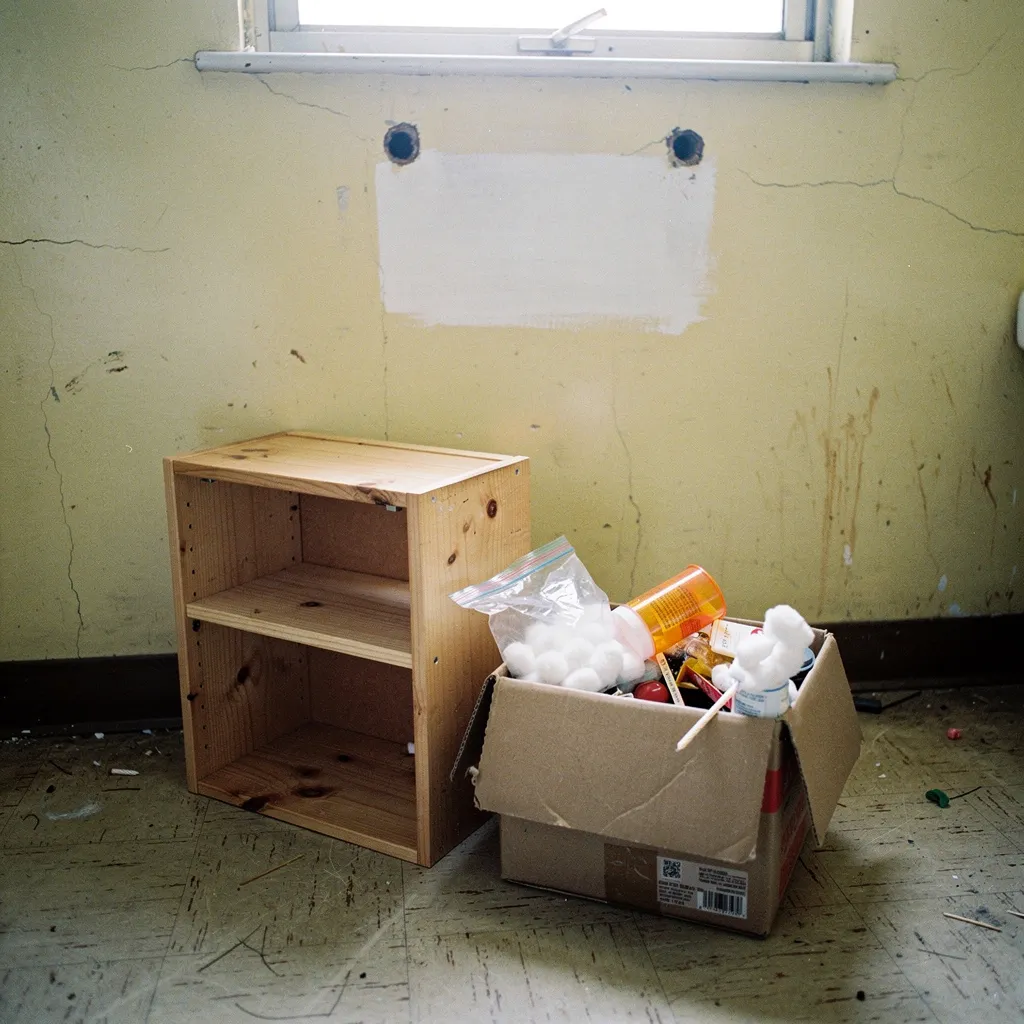
Don't expect a luxury suite. You're likely heading into a shared room with two or three other people who are just as tired and stressed as you're. The walls will be thin. The carpet will be a neutral beige that has seen better days. The furniture will likely be from a warehouse catalog circa 1998. It's functional. Seasonal contracts in high-traffic tourist zones usually run between four and six months - a period of intense work that often requires sixty-hour weeks - and the housing provided is frequently the bare minimum required to keep a human being functional between shifts. You're there to sleep, shower, and change your uniform. If you're looking for a lifestyle choice, this isn't it. It's a logistical solution.
Your quality of life will depend entirely on your roommates. You might end up with a lifelong friend from Australia or a nightmare from the UK who forgets how to use a dishwasher. This is the gamble you take. Most hotels try to pair people based on department or shift schedule - but it's not a perfect science. Finding hotel jobs abroad with free accommodation requires you to be realistic about the trade-off between adventure and comfort. You should vet every offer by asking for photos of the actual staff quarters before you board a plane. If the recruiter gets defensive when you ask to see where you'll be sleeping, that's a massive red flag. Trust your gut. I've seen people arrive at beautiful resorts only to find their living quarters were a converted basement with a single hanging lightbulb.
Also, ask about the amenities. Is there a laundry room? Is there a kitchen where you can cook your own meals, or are you forced to eat in the staff cafeteria? The staff cafeteria - often called the "canteen" or "mess hall" - is another area where you can save a lot of money, but only if the food is edible. Most resorts provide basic - high-carb meals designed to keep you on your feet for ten hours. It’s not gourmet. It’s fuel. If you have dietary restrictions, you need to bring that up during the interview process, not after you've moved into a remote island dorm where the nearest grocery store is a three-hour boat ride away. Be specific. Your health is your responsibility.
Legal Realities and Contractual Safeguards
Does your supervisor have the right to enter your living space at any time without notice? The legal reality is that your employer is also your landlord, a power dynamic that the American Hotel and Lodging Association and various European labor unions monitor closely to prevent the exploitation of seasonal workers who have nowhere else to go.3 In many jurisdictions, employer-provided housing doesn't grant you the same tenant rights as a standard lease. If you're fired - you may be required to vacate the premises immediately. This is the dark side of the arrangement. You're a guest in your own home, and your stay is contingent on your performance in the lobby or the kitchen.
The European Trade Union Confederation, based in Brussels, has advocated for stricter regulations regarding staff housing, arguing that workers should have a minimum amount of private space and access to secure storage for their personal belongings.4 You should check if your room has a locker or a safe. You're living with strangers - and while most people are there for the same reasons you're, it only takes one person with sticky fingers to ruin your season. Don't leave your passport or your cash lying on your bunk. Be smart. Protect your assets as if you were staying in a hostel, because essentially, that's what you're doing. The only difference is that you're getting a paycheck at the end of the week.
You also need to understand the concept of "right of entry." Most staff housing contracts include a clause that allows management to conduct "health and safety inspections." In plain English, this means they can walk into your room to check for fire hazards - illegal substances, or unauthorized guests. I once saw an entire floor of staff get written up because a manager found a hot plate in one room during a random check. They take these rules seriously because a fire in the staff quarters can shut down the entire hotel operation. Read every word of the employee handbook. The rules might seem petty, but they're there to protect the hotel's investment. If you break them, you lose your job and your bed at the same time.
The Remote Resort Paradox
There's a specific kind of isolation that comes with living and working in a remote resort. You're surrounded by beauty, but you're also stuck. If you're working at a lodge in the middle of a Canadian National Park - your world consists of the hotel, the staff dorm, and the forest. That’s it. For some, this is paradise. For others, it’s a recipe for burnout. You need to be the kind of person who enjoys their own company or someone who can build a community quickly. The International Hospitality Institute has noted that the highest turnover in these roles occurs within the first three weeks - as workers realize the isolation is more than they can handle.5 It’s not just a job; it’s a lifestyle shift.
You must also consider the cost of things that aren't "free." Even if your room and meals are covered, you will still have expenses. If you want to go into the nearest town on your day off, how much is the shuttle? If you want to buy a snack that isn't from the staff canteen, what's the markup at the resort shop? I've seen workers spend their entire paycheck at the hotel bar because they were bored and had nowhere else to go. This defeats the whole purpose of taking a live-in job to save money. You have to be disciplined. Set a budget. Treat your time off as a chance to explore the natural beauty around you rather than a chance to spend your earnings back at the place that gave them to you.
Ultimately, hotel jobs abroad with free accommodation offer a unique path to travel the world without the burden of rent - but you must treat the arrangement with the same skepticism you would apply to any other business deal. Your room is a tool. It's a means to an end. It allows you to wake up in a place people dream about, work hard, and save enough money to fund your next adventure. Use the opportunity wisely. Don't get distracted by the drama of the staff dorm or the beauty of the guest wings. You're there to build a future. Your adventure starts with a signed contract and a healthy dose of realism. Keep your head down, work your shifts, and watch your bank account grow while the rest of the world is struggling to pay their landlords.
Quick Takeaways
- Read the specific deduction clauses in your contract to see how "free" the room actually is after utilities.
- Confirm if meals are bundled with your housing benefit before you arrive to avoid unexpected food costs.
- Request photos of the actual staff quarters during the interview process to ensure basic hygiene standards are met.
- Maintain an emergency fund specifically for a return flight in case your employment is terminated unexpectedly.
Frequently Asked Questions
What happens if I quit my hotel job with housing?
Generally, you must leave. Most contracts state that your right to occupy staff housing ends immediately upon termination of your employment, meaning you may have as little as 24 hours to vacate. It's vital to have a backup plan or enough savings to cover a few nights in a hostel if things don't work out as planned.
Do I've to pay for utilities in staff housing?
It depends on the contract. While some resorts cover everything, many will deduct a small weekly fee for electricity - water, and Wi-Fi from your paycheck. You should ask for a clear breakdown of all potential deductions before you sign your onboarding paperwork to avoid any surprises on your first pay stub.
Can couples get hotel jobs abroad with free accommodation together?
Yes, many resorts look for couples. Many all-inclusive resorts and remote lodges prefer hiring couples because they're often more stable and can share a single room, which saves the hotel space. You should apply together and mention your relationship status early in the process to ensure you're placed in the same housing unit.
Are meals always included with resort housing?
Not always, but it's common. Most remote hotels provide at least two or three meals a day in a dedicated staff canteen because there are no other dining options nearby. However - some boutique hotels in urban areas may only provide housing and expect you to buy and cook your own food in a shared kitchen.
Will I've my own bathroom in staff quarters?
Usually, the answer is no. Unless you're in a management position or working at an ultra-luxury site that provides private studios, you will likely share a bathroom with your roommates or the entire floor. This is a standard part of the seasonal worker experience and something you should prepare for mentally before you arrive.
How do I find legitimate hotel jobs abroad with free accommodation?
Use established industry job boards. Stick to reputable sites that specialize in seasonal work and check reviews from former employees on platforms like Glassdoor or specialized hospitality forums. If an offer seems too good to be true or asks for money upfront for